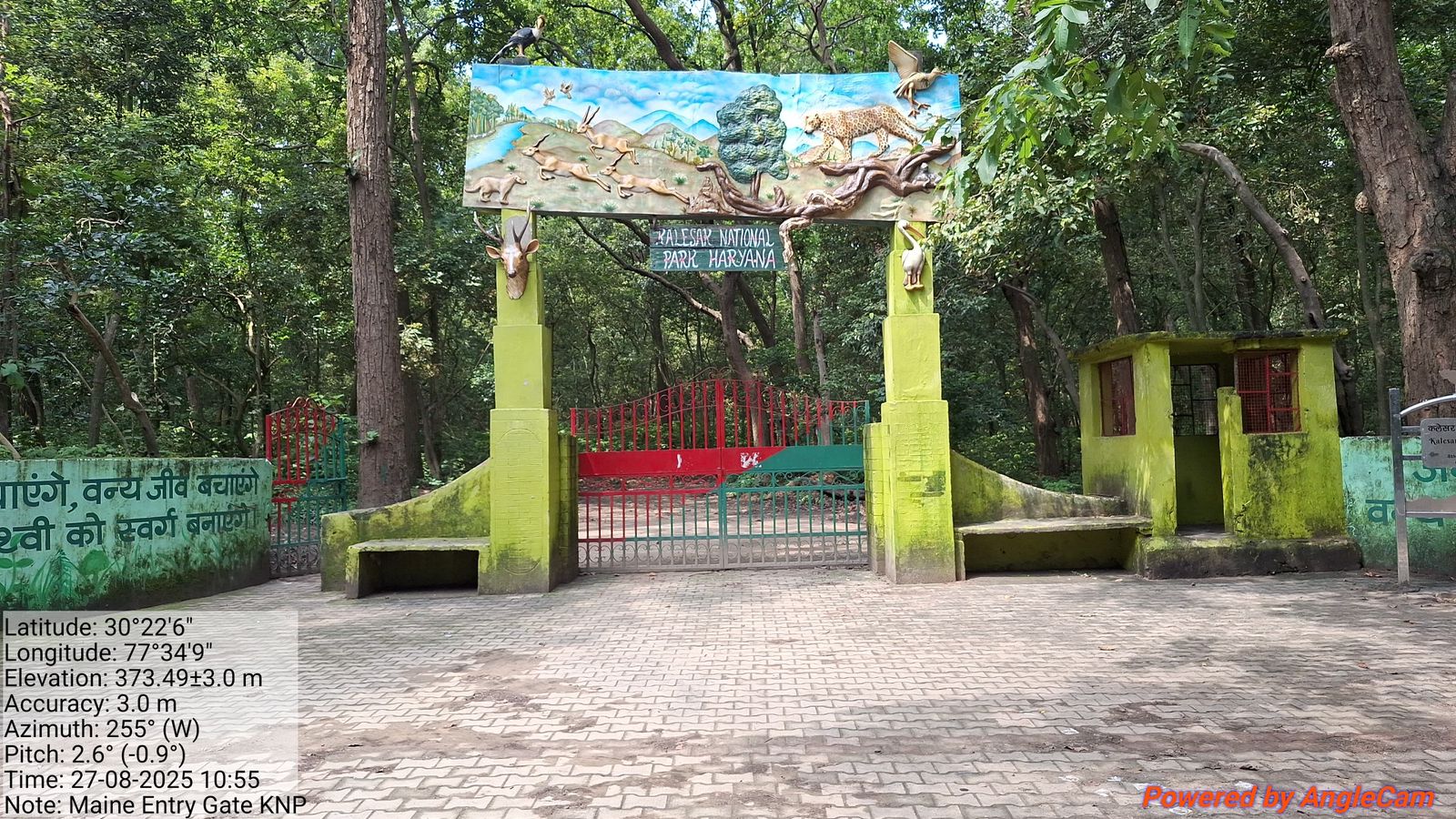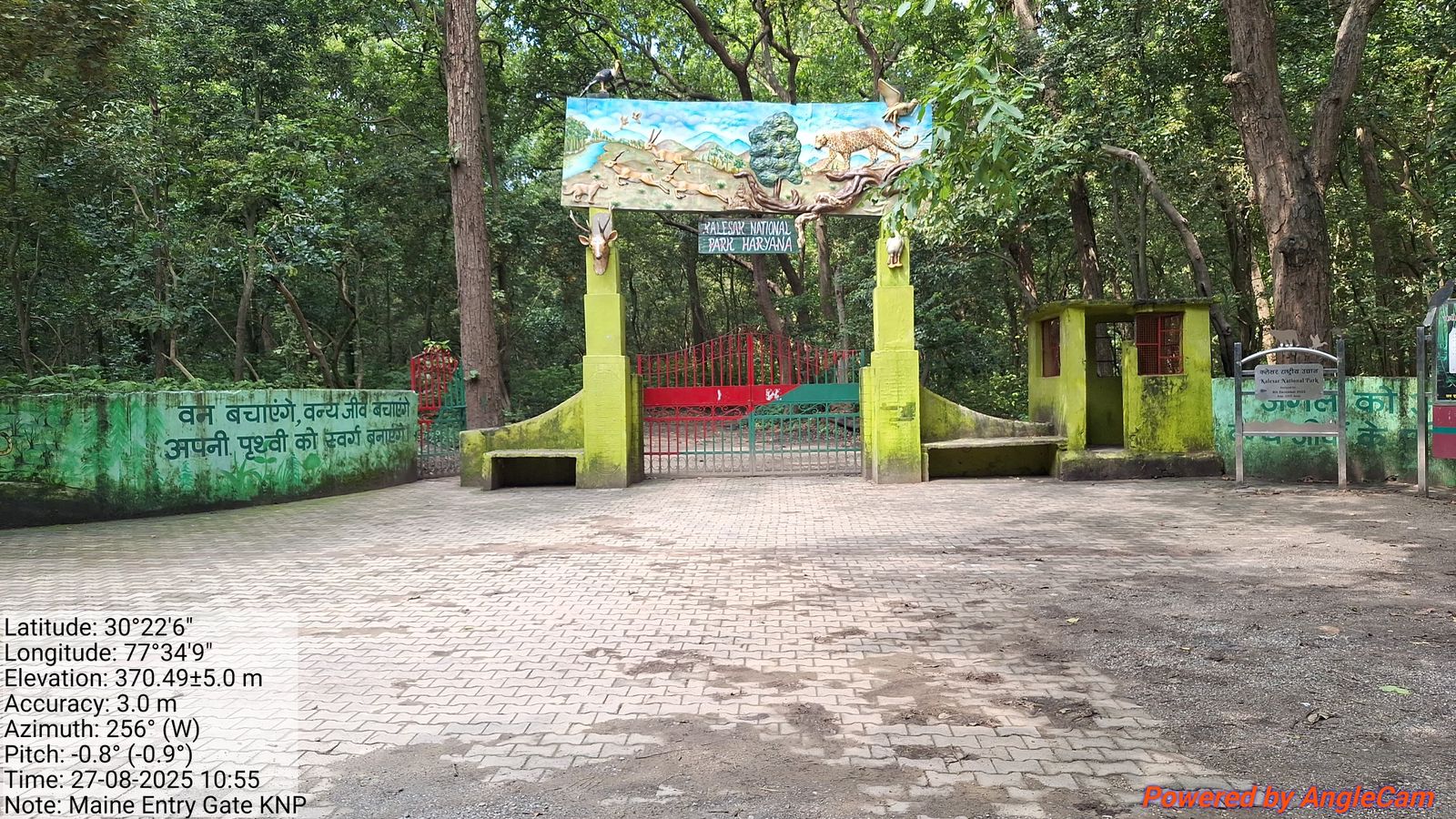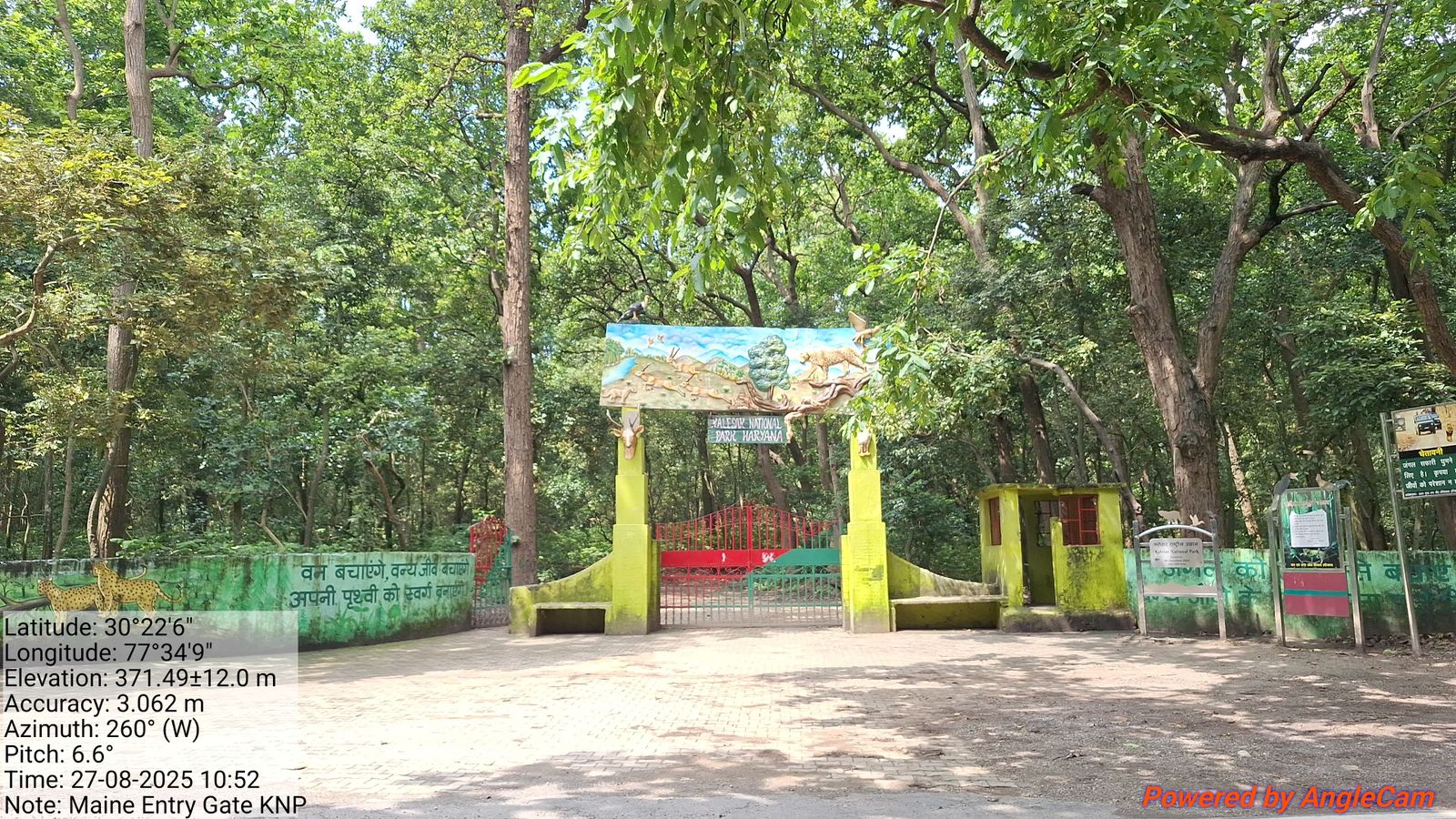

Kalesar National Park
Kalesar National Park, Yamunanagar
Where the Shivalik Hills Meet the Wild
Overview
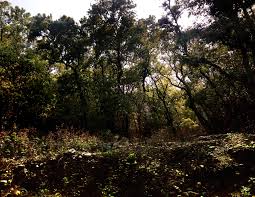
Kalesar National Park, nestled in the foothills of the Shivalik range in Haryana’s Yamunanagar district, is one of the state’s richest forest ecosystems. Spanning 13,000 acres (approximately 53 sq. km), the park is part of a contiguous green belt linking the Himalayas to the plains, forming a critical corridor for wildlife movement between Himachal Pradesh, Uttarakhand, Uttar Pradesh, and Haryana. Declared as a National Park in 2003, Kalesar is renowned for its dense Sal forests, scenic landscapes, and abundant wildlife—making it a crown jewel of Haryana’s biodiversity.
Biodiversity and Habitat
Kalesar lies in the Upper Shivalik ecological zone and represents a typical Moist Deciduous Forest ecosystem. It supports a high diversity of flora and fauna:
Key Faunal Species:
- Mammals: Leopards, Indian civets, jungle cats, wild boar, sambar, barking deer, and occasionally elephants (from adjoining forests of Rajaji and Simbalbara)
- Birds: Indian peafowl, partridges, jungle fowl, hornbills, and a variety of raptors
- Reptiles: Indian python, monitor lizard, and various snakes
Key Flora:
- Dominant species: Sal (Shorea robusta)
- Other trees: Khair, Tun, Sain, Amaltas, Amla, and Bahera
- Rich undergrowth and medicinal plants also thrive here
Historical and Cultural Significance
- The forest is home to the ancient Kalesar Mahadev Temple, believed to date back to the Mahabharata era, attracting devotees especially during Shivratri.
- Colonial-era structures like the Kalesar Dak Bungalow (used during British hunting expeditions) are now used for forest rest houses and eco-tourism.
Conservation Importance
- Wildlife Corridor: Kalesar forms a vital corridor for species like elephants and leopards, connecting Simbalbara National Park (HP) and Rajaji Tiger Reserve (UK).
- Habitat Protection: The area includes Kalesar Wildlife Sanctuary and Kalesar Forest Division, serving as buffer zones for the national park.
- Zero Poaching Record: The park has a strong track record of wildlife protection with effective forest patrolling and community engagement.
Visitor Experience
- Nature trails and viewpoints offer panoramic views of the Shivalik foothills
- Forest rest houses are available with prior booking
- Ideal for wildlife photography, birdwatching, and ecological studies
- Temple visits and spiritual tourism also attract a diverse group of visitors
Best Time to Visit: October to March
Contact Details
Address: Yamunanagar, Haryana
How to Reach
By Train
Nearest Railway Station Yamunanagar (approx. 30 km)
Photos
View All-
 Seonsar
 -
 Seonsar
 -
 Seonsar
 -
 Seonsar
 -
 Seonsar
 -
 Seonsar
 -
 Seonsar
 -
 Sultanpur National Park
 -
 Sultanpur National Park
 -
 Sultanpur National Park
 -
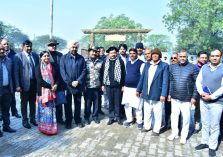 Sultanpur National Park
 -
 Sultanpur National Park
 -
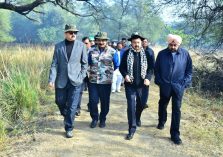 Sultanpur National Park
 -
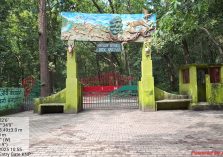 Kalesar National Park
 -
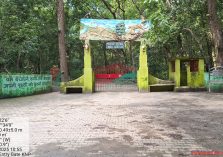 Kalesar National Park
 -
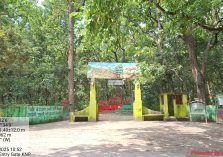 Kalesar National Park